Alliance Tower Defense Roblox How to Get Units
Spend coins on purpose — Cameraman first, then the altar, then the roster.
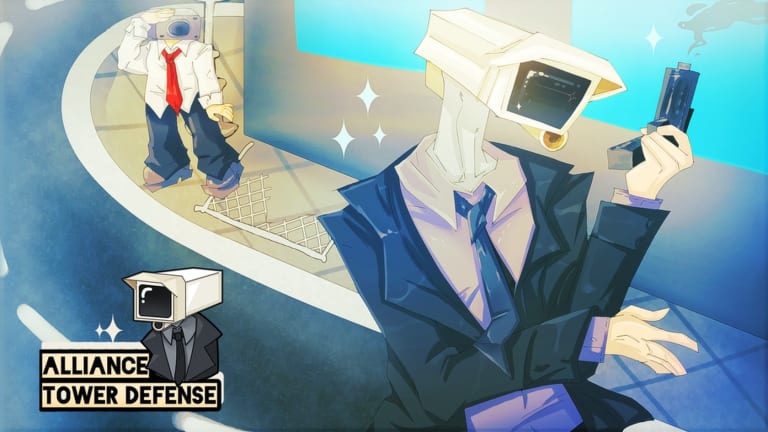
Summoning is how you get units in Alliance Tower Defense after the starter Cameraman. You earn coins in matches, walk to the lobby altar, pay a fixed cost, and receive a random unit from the live pool. MrUpTime’s Games has not published drop percentages. This page therefore talks about budgets and decisions, not fake pity timers copied from other tower defense titles.
If you cannot clear Easy City yet, do not summon. The altar does not teach placement. City does.
What a pull actually is
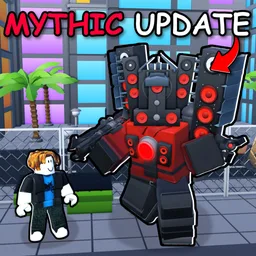
One pull spends coins and adds one unit to the roster. Rarity generally tracks power, but ability text matters more than the colour of the nameplate. A Large Scientist that the showcase called overpowered for early DPS can outperform a prettier unit you cannot afford to max in-match. A TV Titan you never equip is a sticker, not a win condition.
You control three knobs:
- How many coins you keep as a reserve.
- Whether you pull one at a time or in a short batch after a farm block.
- Which pulls enter the team panel before the next queue.
Everything else is the pool and the patch. Track pool changes on the Updates Hub.
Coin budget that does not ruin the next match
- Farm first. Run Easy City until the coin total is boring. The Coin farming tool is the checklist version.
- Keep a third. If a weekly (or five-day) patch lands while you are at zero, you cannot test new units. The official description still says weekly updates; creators have described faster drops. Either way, a reserve is cheaper than regret.
- Batch with a cap. Decide “six pulls— before you click. Stop at the cap even if TV Titan did not appear. Chasing one name is how Easy-farm coins disappear.
- Never pull from tilt. A leaked wave is not a signal to open the altar. It is a signal to read Strategy.
Promo codes, when they exist, are extra coins, not a second gacha. Check the Codes Hub and How to Redeem Codes before a planned batch. An empty table means farm, don’t refresh social media for an hour.
How to evaluate a new unit
- Read rarity, then the ability line, then whether you can place and max it the way Cameraman taught you.
- Compare against Best units for the three named snapshots: Cameraman, Large Scientist, TV Titan. Unknown names go through the same Tier List framework: S if it carries, D if it is a bench.
- Take it into Easy City once. If it dies because you split upgrades across two bodies, that is a build error, not a unit error. See Team Builds.
- If it is strictly worse than what you already max, keep it in storage. Roster bloat is not progress.
x2 LUCK! and other paid bait
x2 LUCK! is a Robux pass, not a summon tutorial. It may improve roll quality; it does not replace a coin income plan. x2 COINS! speeds the farm that feeds the altar. Neither pass is required to play. Compare them on the Gamepass guide after you can already clear Easy without paying.
A limited GOLDEN BAT! is a unit-shaped product, not a summon from the altar. Do not confuse shop limiteds with gacha results.
Pity, banners, and what we will not invent
Some Roblox games publish rate-up banners and pity. Alliance Tower Defense has not given this wiki a public pity formula. Assume every pull is independent. If the update log later prints a guarantee, that sentence will move to Events and passes. Until then, “one more for pity— is fan fiction.
Do not paste Toilet Tower Defense crate hours or All Star Tower Defense gem banners into this altar. Different universes, different inventories.
When to summon versus when to save
Summon after a farm block, when a team slot is empty, or right after a patch that claims new units — then immediately test them in City.
Save when your balance is a single pull, when the Roblox title shows a 2x window you have not used yet (play first, pull after), or when your field already has a maxed core and you are about to learn a new map on Maps and modes.
Controls at the altar
Walk up, click, confirm the coin debit, wait for the reveal. On mobile, the confirm hitbox is easy to miss; the Controls & UI page covers tap lag. If the altar does nothing, you are still in a match or the lobby has not loaded — same rule as codes.
After a good TV Titan pull, open the team panel before you queue. After a bad common, queue Easy anyway. The altar does not owe you a highlight reel.
Related reading: Players Hub for slots, Units & Roles for jobs on the path, Getting Started if you still cannot find the altar.
Frequently Asked Questions
Quick answers to the most common questions.
How do I get new units in Alliance Tower Defense?
Earn coins in matches, then spend them at the lobby summon altar. There is no verified public pity formula, so budget pulls instead of chasing one name.
Should I summon before I can beat Easy City?
No. Learn place-then-max on Cameraman first. The altar does not teach the path.
Does x2 LUCK! replace farming?
No. It is an optional Robux pass. Coins still come from matches, codes when they exist, and 2x title events.
Is TV Titan a guaranteed summon?
No. Footage shows players chasing it in the summon. Treat it as a high-value random result, not a quest checkbox.
Can I use another game’s crate rates here?
No. Alliance Tower Defense is a separate Roblox experience. This guide does not copy Toilet Tower Defense or All Star Tower Defense tables.