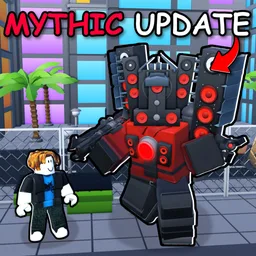
Alliance Tower Defense Roblox Units and Roles
Jobs on the path — not a stolen stat table from another Roblox wiki.
Every Alliance Tower Defense unit you can max has a job: hold the funnel, delete the front of the wave, or cover the late spike. Names without footage still inherit those jobs. This page is the vocabulary. Best units is the named exam. Team Builds is the loadout sheet.
The embedded video is a real Alliance Tower Defense clip from SasukeYT. Use it as atmosphere and confirmation you are in the right game, not as a stat overlay we cannot verify from captions alone.
Carry — the body you max first
Cameraman is the documented carry for 1-player Easy City. Place it, max it, skip when paid. If your “carry” cannot finish Easy, it is not a carry yet. Drill: Easy City walkthrough.
Later maps keep a carry. The name may change. The rule does not. Maps and modes is where new layouts get the same test.
Early DPS — delete the wave before it stacks
Large Scientist is the snapshot name for this job. Showcase language called it overpowered for early DPS and showed it used on a boss. Play it as the maxed body when Cameraman’s farm is already boring. If a patch nerfs the kit, the job remains: someone has to melt the front.
Do not split DPS upgrades across two Scientists and a Cameraman on wave two. That is three carries and zero maxes. Strategy will not save that.
Coverage — late waves and bosses
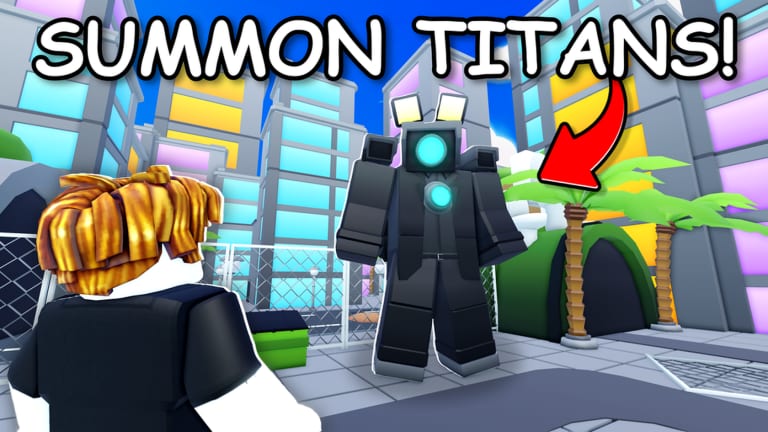
TV Titan is the chase summon associated with later pressure (toilet-army style beats in a showcase). Coverage means still firing when Easy would have ended. Hard-queue coverage for this experience also names Titan Speakerman (including 2.0 / upgraded showcases) and DJ Speakerman. If you do not own a titan, coverage is a second maxed pad or simply a cleaner Easy farm until the altar cooperates. Summoning sets the pull cap so you still have coins next week.
Early carry option — Engineer Cameraman
Engineer Cameraman shows up as an early, still-fundable carry in Crazy and Insane how-to-beats for this game. Treat it like Cameraman until a City test says otherwise: one pad, full upgrades, skip after cash. It is not Engineer Camera Guy from another wiki.
Filler and storage
Commons exist to occupy a slot you can afford. They are not insults. They are B/C/D on the Tier List until replaced. Storage is for duplicates and unmaxable limiteds. GOLDEN BAT! sits here until you have seen it work in this universe.
Economy is not a unit colour
Coins come from matches, 2x title events, and codes when they exist. No verified Alliance Tower Defense unit is published as a “money tower” with a number we can cite. If a unit’s ability text later says it generates cash, it earns an economy job on this page after a session — not after a guess copied from Toilet Tower Defense farms.
x2 COINS! is a pass, not a unit. See the Gamepass guide.
How to label a brand-new pull
- Take it to Easy City.
- Try to max it as the only spender. If it holds, it can be a carry.
- If it only works beside an already-maxed Cameraman, it is DPS or coverage, not a teacher.
- Write the job in your head, then equip it on Team Builds logic.
- After Updates, repeat once. Roles move; jobs persist.
Controls while you test
You cannot assign a role to a unit you cannot click. Upgrade buttons, skip, and leave are on Controls & UI. If mobile hides the upgrade row, zoom in before you decide the unit is “bad.”
Sibling pages
Players Hub for slots. Team Builds for example lineups. Getting Started for the lobby. Tier List for S–D. Keep the jobs short. The path is shorter than a novel, and leaks are faster than both.
Frequently Asked Questions
Quick answers to the most common questions.
What role should Cameraman play?
Carry and teacher. Max it first on Easy City. Later it can be a cheap second pad.
What role is Large Scientist?
Early DPS in the showcase snapshot. Use it as the body you max once Easy is free, and re-test after patches.
What role is TV Titan?
Coverage and chase summon for later waves. Equip it if you have it; do not bankrupt the farm to force it.
How do I role a unit with no wiki name yet?
Solo-max it on Easy City. If it holds, it can carry. If it only helps beside a maxed carry, it is DPS or coverage.
Is there a money unit?
Not a verified named one. Income is matches, events, and codes. x2 COINS! is a gamepass, not a tower.