Alliance Tower Defense Roblox Unit Tier List
Snapshot rankings from real footage - not a copy of another tower defense wiki.
This Alliance Tower Defense tier list ranks units by how they play in this experience: coins in, summons out, place then max, climb the leaderboard. It uses names verified in Alliance Tower Defense videos and official store products. It does not paste Toilet Tower Defense DPS sheets or All Star Tower Defense gem ranks.
Patches move power. MrUpTime’s Games still advertises weekly updates; some creators describe a roughly five-day cadence. Recheck this hub after the notes on the Updates Hub. Deep dives for the three named bodies live on Best units, plus dedicated pages for Cameraman, Large Scientist, TV Titan, Titan Speakerman, the shop limited Golden Bat, and - past the PC dropdown cap - Engineer Cameraman and DJ Speakerman. The dropdown shows seven rows plus View all; those last two live here on purpose.
Update 2 (early September 2026) added the Camera Scientist Crew: Scientist Camera Man, Large Scientist Camera Man, and Engineer Camera Man. These new units have their own tier list pages.
The Party Event (September 2026) added three more units: Party Camera Man, Jester Speaker Man, and Party Titan TV Man. Full event coverage: Party Event Guide.
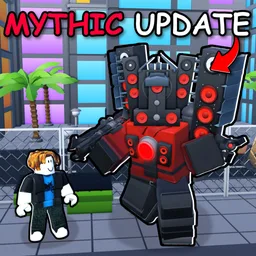
Update 5 (early September 2026) introduced Mythic rarity and two new chase units: TV Woman and Titan Speakerman 2.0. The Endless Mode guide covers the new survival variant for Insane players.
How we rank
- Can it be maxed this match? A pretty unit you cannot afford to upgrade is D in practice.
- Does it hold a funnel? Easy City is the exam. See the Easy City walkthrough.
- Does footage call out a job? Large Scientist as early DPS, TV Titan as a summon target and late coverage, Cameraman as the solo Easy carry.
- Is it a shop limited? GOLDEN BAT! is a product. Rank it only after you have seen it fire in this game, not because the name sounds strong. The long sheet is Golden Bat.
Drop rates are unpublished. Do not treat S as will drop. Treat S as equip and max if you have it.
S - carry snapshots
TV Titan sits here as the chase summon from showcase play: later waves, heavy pressure, the unit people hope to see at the altar. If you own it, it belongs on the field, not in storage. Details on Best units.
Large Scientist sits here for early matches while the showcase claim holds: overpowered early DPS. If a patch cools it off, it slides to A and the role (fast wave deletion) stays. Do not import Scientist TV Man stats from another wiki.
A - teaching carry and flexible seconds
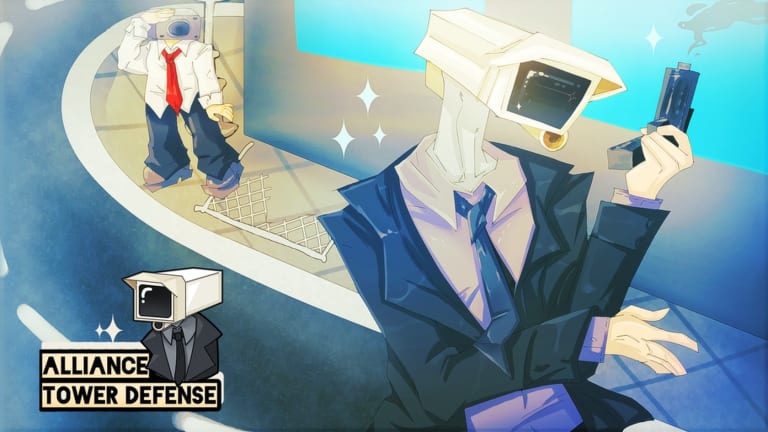
Cameraman is A for the whole player base because it solo-clears 1-player Easy City when maxed. That is not weak. That is the unit that teaches the game. On harder pickers it becomes the cheap second body once a true carry is maxed. New players who bench it to look cool leak. Read Getting Started if that sentence stings.
Other A units are whatever you can max that covers a second pad without starving the carry. Assign jobs on Units & Roles.
B - honest filler
B is a unit that wins Easy and loses when you skip into a boss poor. Keep it until a summon replaces it. Do not spend x2 LUCK! hoping to skip the B phase; luck is a pass, not a rank. See the Gamepass guide.
C - situational
C is a body you bring because a map demands a second angle, then bench. New maps should be learned on Easy first (Maps and modes), not with a C-unit museum.
D - replace
D is unmaxable clutter, duplicates of a worse job, or a limited you bought and cannot afford to upgrade. Storage is allowed. Pride is not a tower.
How to use the list in a session
- Farm coins with the Cameraman method.
- Pull with a cap (Summoning).
- Slot anything S/A you received.
- Queue City once as a test, then a harder picker if you own coverage.
- After a patch, assume ranks wobbled until you re-test. Events and passes explains 2x windows that change income, not necessarily tiers.
What is missing on purpose
An early showcase counted eleven units. Later Crazy/Insane coverage named Engineer Cameraman, Titan Speakerman, and DJ Speakerman. Update 2 (early September 2026) added the Camera Scientist Crew: Scientist Camera Man, Large Scientist Camera Man, and Engineer Camera Man. The Party Event (September 2026) added Party Camera Man, Jester Speaker Man, and Party Titan TV Man. Update 5 added TV Woman and Titan Speakerman 2.0 as Mythic rarity. Community showcases also title Titan Speakerman 2.0 / Upgraded for this experience. Those land on their sheets and on New units. We still will not invent unnamed bodies. Until a creator or the update log prints a new string, use the framework, not a fan-fiction roster.
Team construction from these ranks is Team Builds. Placement doctrine is Strategy. Official facts sit on the Links Hub.
Frequently Asked Questions
Quick answers to the most common questions.
What is the best unit in Alliance Tower Defense?
TV Titan is the chase summon from showcase play. Large Scientist is the early-DPS snapshot. Cameraman is the unit that actually teaches Easy City. Patches can move all three.
What is the Camera Scientist Crew?
Three new units from Update 2 (early September 2026): Scientist Camera Man, Large Scientist Camera Man, and Engineer Camera Man. They have their own tier list pages.
What is the Party Event?
The first named event (September 2026) adding Party Camera Man, Jester Speaker Man, and Party Titan TV Man. Full coverage on the Party Event Guide.
What did Update 5 add?
Mythic rarity, TV Woman, and Titan Speakerman 2.0. The Endless Mode guide covers the new survival variant for Insane players.
Why is not every unit named?
Only names verified in Alliance Tower Defense footage or official products are listed. We will not copy another game roster.
Should I bench Cameraman once I summon something rare?
Not until the new unit can be maxed and hold a funnel. Cameraman remains the Easy farm tool.